
Benedict Anderson writes about imagined communities, citing nationhood as a primary example. The connection between its members is essentially intangible and largely founded on vague points of commonality and proximity. The ‘community’ of a nation – or a state, or even a metropolitan area – does not function like a true community, one with a significant degree of recognition and accountability among its members. Instead, an imagined community serves primarily as a source of identity formation and perceived belonging rather than real, human relationship. An imagined community is not built of the same stuff as friendship.
It’s currently the season of Epiphany for the church, and while it begins twelve days after Christmas by marking the arrival of the Magi, we swiftly move from Jesus’s birth to his later life and the beginnings of his ministry. This week, our scripture reading was John 1:29-42, when John the Baptist publicly identifies Jesus as the prophesied messiah, and Jesus begins calling the apostles. He tells them, “Come and see.”
Come and see where I am staying. Come and see what I’m doing. Come and walk with me, live with me. Come and see what happens next. Come and see what it all means.
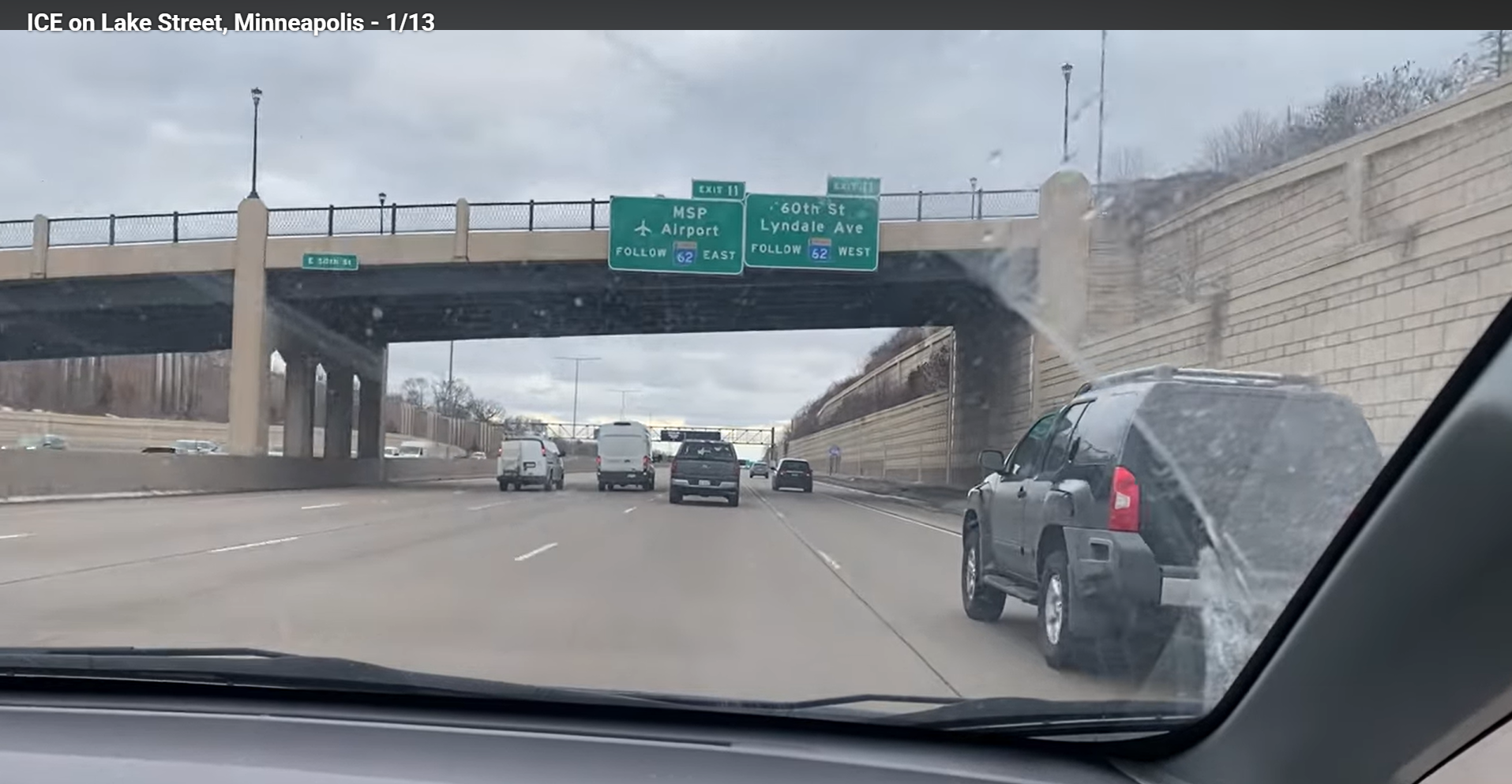
This week there has been a lot to see, most of it terrible. But yesterday I watched ordinary people – people who mere weeks ago might never have guessed they would ever spend their time this way – systematically run ICE agents out of a Minneapolis neighbourhood. Watching common folk who have likely never met coordinate and work together like a well-oiled machine in order to repress the oppressor is the sort of satisfying and emboldening resistance that heals the soul.
The gospels say that the disciples accept the invitation and follow him; they come along to see. They walk the same road he is walking – literally and figuratively – witnessing the hardships he faces, often facing them as well. As our minister noted in her sermon, this is the nature of friendship: to walk alongside someone in the midst of all that they experience. To see how they live. To choose to travel with them. The disciples understand that this is the road he is walking and they choose to walk it with him. For better and for worse, they have decided that what they see is worth the risk of this particular road.
The Minnesota Resistance (for lack of a better name) is choosing to walk the road that the Trump administration has forced every racialized American to travel. Instead of responding with the deference or apathy DHS likely expected, they are meeting the violence head-on, placing themselves on that road along with those who are targeted. What we see as a result is a righteous anger, an ever-increasing seething rage that only grows more emboldened with every attempt at violent suppression. We see the work they are doing, the ways that people are organizing, are building community in the truest sense; there is nothing imagined about a community that assembles, even briefly, to resist and undermine the oppressor.
“When his friend Anaxarchus told him…that there were innumerable worlds, Alexander said, ‘Alas, poor me, because so far I have not even gained possession of one!’” (Valerius Maximus LIB. VIII, Cap. xiiii, Ext. §2)
America, and indeed the globe, finds itself in the grip of a violent man, one possessed of a desire to dominate and control so that we now witness state-instituted violence on a scale unseen in generations.
In the midst of such abject violence, of repeated, unrepentant violations of human rights and basic decency with no end in sight, as the mad king sets his sights on yet another land to try to conquer, witnessing how ordinary people in Minnesota are skillfully, speedily building community – real community, one founded on caring and walking alongside someone, wherever the road leads – is giving me hope this week.